An alarm sounds just after 03.00. On the bridge, a crew member monitors a blinking panel. A detector has been triggered. The crew has only minutes to determine if the alarm is real, where to send people, and whether to wake the rest of the team.
“Every watchkeeper knows this situation,” says Johan Olofsson, Key Account Manager at Consilium Safety Group and formerly a seafarer with safety responsibilities.
India’s new regulations now address situations like this. In February 2025, the Directorate General of Shipping required CCTV on Indian-flagged vessels over 500 gross tonnes and certain foreign-flagged ships operating along the Indian coast.
Existing ships have 36 months from February 2025, or by next renewal survey, whichever occurs later. New vessels must comply on delivery.
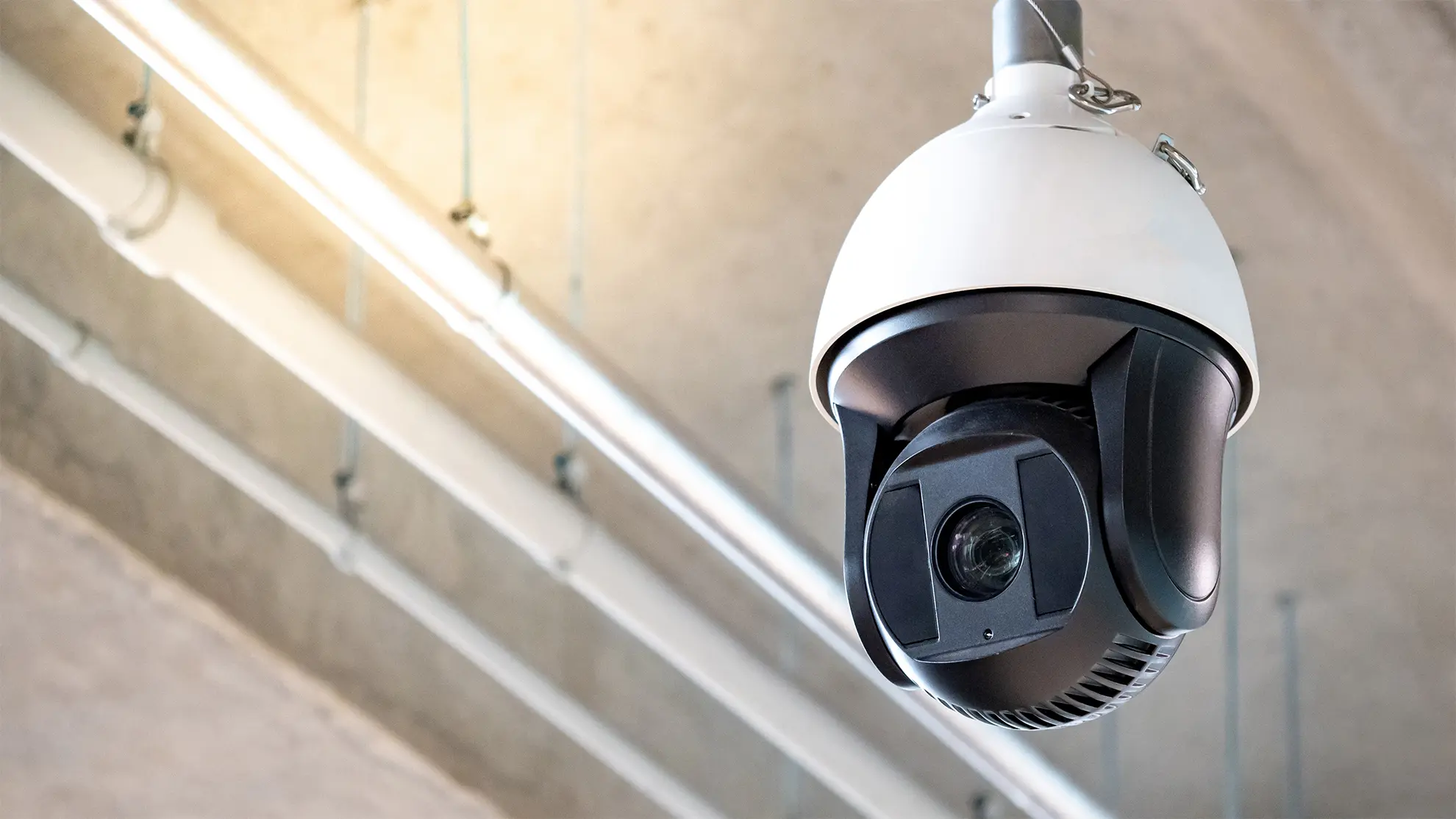
The rules set clear demands, requiring high-definition cameras that cover key areas, store footage for 14 days, and withstand harsh conditions. In engine rooms, cameras should be able to cope with higher temperatures and preferably include thermal detection.
The notice also points to software that uses AI to improve monitoring, with features such as anomaly detection and real-time alerts.
A turning point
For years, cameras were mostly used to review incidents after they happened. Now, India’s regulations are pushing CCTV in another direction.
“Regulations are starting to reflect what crews need in the first minutes,” says Olofsson.
Consilium has addressed this need with SensEye, an AI-powered camera system that connects cameras to SMiG, Consilium’s safety management platform, and automatically analyses footage to spot anomalies.
The system flags risks, sends alerts and provides the crew with visual context so they can respond faster without continuously monitoring camera feeds.
“When SensEye is integrated with SMiG, it gives crews immediate visibility and connects seamlessly with the wider safety system,” says Olofsson.
When a camera detects smoke or flames, it doesn’t just raise an alert in isolation. It cross-references the signal with the fire detection system in real time.
If both systems confirm the event, the crew receives a high-confidence alert and can respond immediately. If only one system detects an issue, it is flagged as an elevated risk for further investigation, which helps avoid unnecessary responses.
“This is a unique SensEye function where cameras and other systems work collaboratively,” says Olofsson.
The same applies to routine checks.
“On a busy day at sea, a missing fire extinguisher might go unnoticed, but SensEye can detect and log it,” says Olofsson.
Connected safety
For Consilium, this reflects a direction already happening. With over 1,000 SMiG systems delivered, the company views SensEye as an added layer rather than a stand-alone solution.
“Fire detection, gas detection, video, alarms and the operator interface used to sit in separate systems,” says Olofsson. “We bring them together so the crew gets one clear picture and can respond faster.”
India’s move comes with increased investment in shipping, shipyards and infrastructure. Marcus Andersson, Chief Commercial Officer at Consilium Safety Group, views the new rules as part of broader industry development.
“India is a great maritime nation. When a country invests in shipping, shipyards and global trade, safety standards tend to rise as well,” he says.
“Regulation often spreads this way. One authority sets a standard, others take note, and charterers, insurers and financiers begin to expect the same level across fleets.”
Consilium has received enquiries from customers who closely follow the regulatory notice, including questions about camera locations, storage periods and references to AI analytics.
“Shipowners want to know where to place cameras, how to store footage, and whether their systems support analytics and alerts,” says Andersson.
At the same time, conditions on board are changing. Crews are smaller, and ships are larger and more complex. In this environment, operators need systems that work together.
“As a safety solution provider, we closely follow regulatory changes and participate in industry forums across vessel segments,” says Andersson. “This helps us stay ahead and develop systems that align with current operations and safety requirements.”
“We’re not just engineers and salespeople; we’re partners in safety, wherever that journey leads,” says Andersson, summing up the essence of their mission.
Latest news
News archive
Daspos: The Danish duo who taught ships to spot trouble in the air

New fire safety rules in Sweden will increase the need for automatic fire alarms